
Simple health
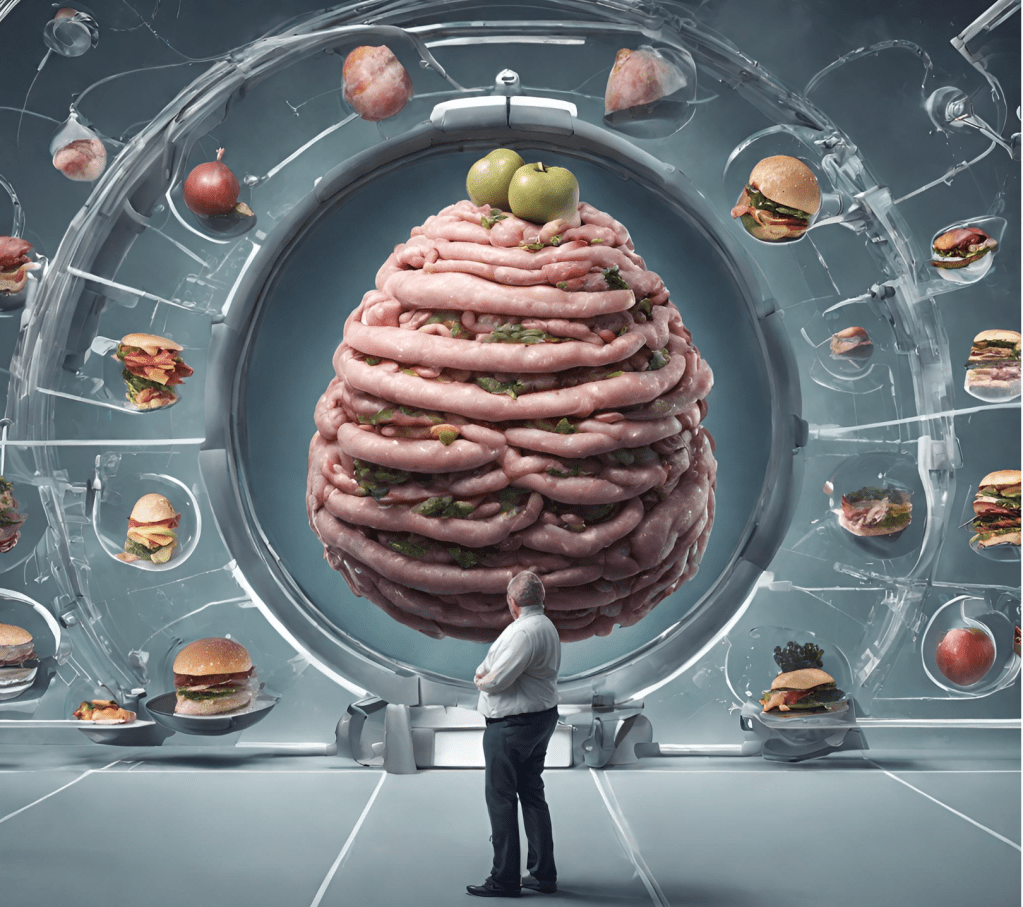
How many times you’ve made a purchase after seeing high fiber/ no preservatives/plant-based/ organic especially when you were not looking to buy. What you experience is a health halo that companies employ to drive sales of packaged food products. The allure is strong; after all, who can resist the magnetic pull of those perfectly engineered products?
White Castle in Wichita, Kansas city is the brain behind the culinary SOS. In 1921 after the First World War as disposable income increased people started exploring faster, tastier, and cheaper ways to meet their daily calorie intake where white castle started a revolution. The result, today McDonald’s have 38,000 stores globally, Starbucks is available at 35,000 locations with Domino’s standing proudly at 19,000. Take, for instance, the iconic Central Perk where Chandler cracks everyone up and Rachel serves surrounded by an array of brightly colored food items. The normalization of these processed delights in our entertainment only reinforces their omnipresence in our daily lives.
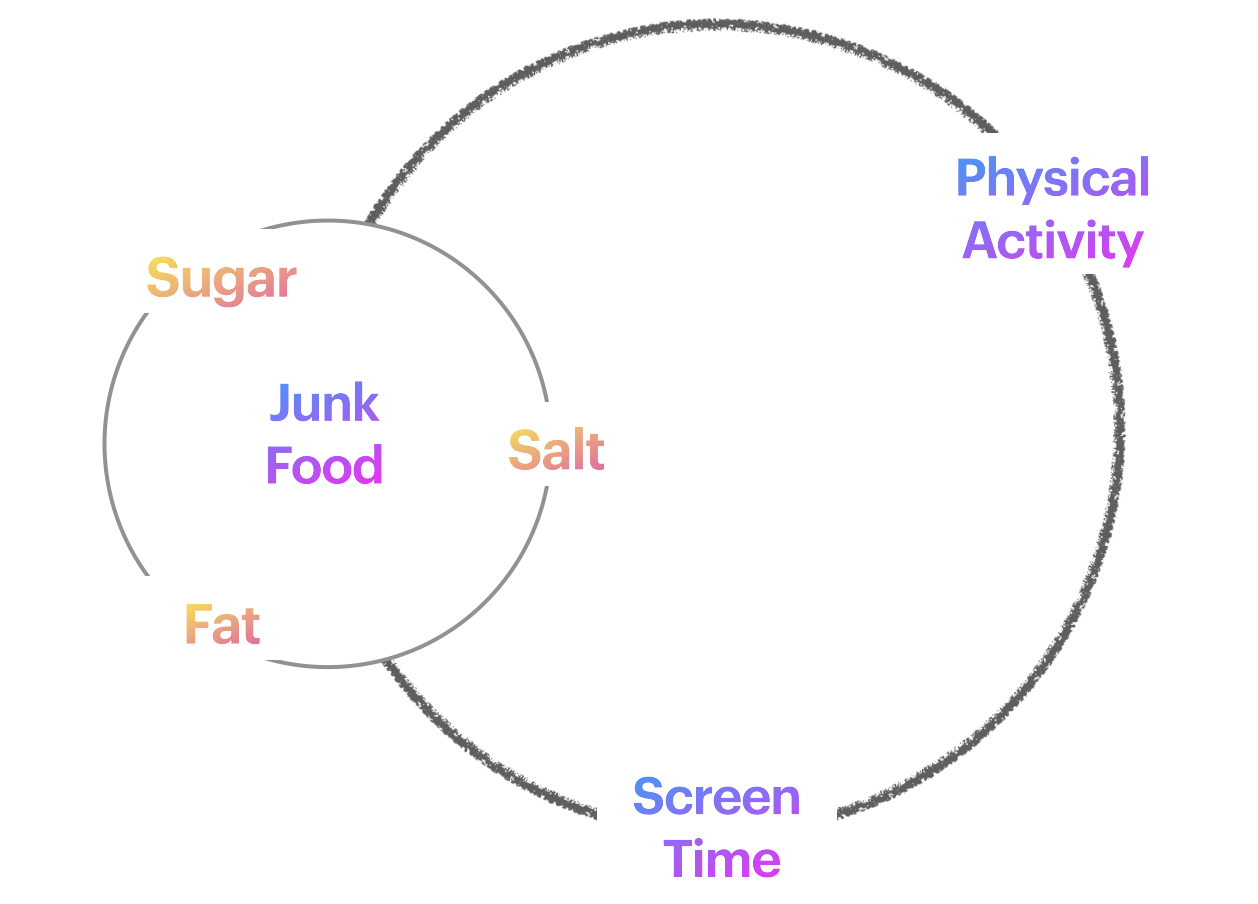
Very early on, the ultra-processing food industry determined the intricate balance between sugar, salt, and fat which makes the food irresistible and practically melts on your tongue. Creating a bliss point that is more addictive than many other psychoactive substances. In an interesting study done on rats, refined sugar was found more addictive than cocaine. Michael Moss’s book of the same title explores further how companies are capitalizing and lobbying world governments at the risk of human health. The advent of technology, especially the black mirror has added a third dimension to the earlier market seesawed between unhealthy consumption and physical activity. While junk food and screen time experience an uptick physical activities are reduced to going to shopping malls or trekking.
(It is important to know in biology the terms sugar and carbohydrate mean the same thing. The difference comes down to whether you are consuming simple sugar or complex sugar. Ideally, the incorporation of complex sugar in your diet with high fibers is beneficial. Examples include peas, beans, whole grains, and vegetables)
The Coca-Cola that you consume here in India has 10.3g of added sugar per 100ml whereas the same bottle has 4.6g in Britain. A similar difference is observed in various other products, the bread used at McDonald’s India is different from its European counterpart. In a 2021 report published in Financial Times, Nestle admitted the majority of its portfolio is unhealthy. The situation in Mexico became so problematic they had to introduce a sugar tax, ban on children’s advertising, and warning labels after more than 70% of the adult population diagnosed obese. The government in Geneva has introduced school exercises to influence eating behavior at an early age to differentiate what is healthy and what is unhealthy. In Switzerland, the same Nestle pushed the opposition against black warning labeling like the one introduced in Mexico. So, maybe look at what a company stands for next time and not the paycheck with false promises on ESG responsibilities.
After contributing to weight gain and obesity, which is also the most significant lifestyle risk factor for developing cancer the ultra-processing food industry as of 2021 is estimated to employ 7.3 million people worldwide providing real economic opportunities. So, it’s not all bad! Perhaps asking for a better future from the government in the coming 2024 election and penning down regulations on the fast food industry should be a priority.
Lastly, the ultra-processed food industry has managed to insinuate itself into the fabric of our lives, becoming a staple in the narratives we tell ourselves about convenience, taste, and time management. Thus, it becomes important to make a consistent and conscious effort to choose what we put inside our body.
 grewal