
Simple biology
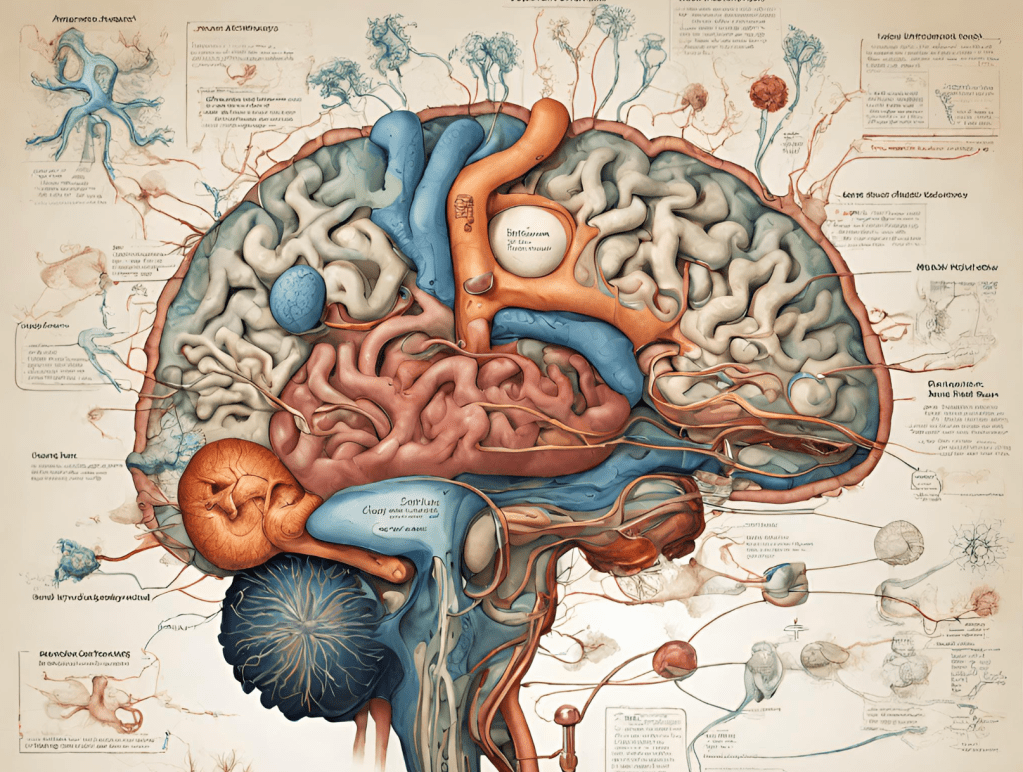
Neurobiology reveals that the initial phase of romantic love bears a striking resemblance with psychiatric disorders, which is not surprising as it involves the same chemicals regulating anxiety and fear. Perhaps, for the same reason, we often hear “Pyaar mei pagal,” entailing a greater risk of developing a full-blown madness when not reciprocated, as witnessed in the popular Netflix series YOU.
Phase 1: Attraction
We typically refer to this phase as the stage of falling in love which usually lasts between 6 to 24 months. Interestingly, the phase of attraction is independent of having sex, bonding, or reciprocation with a partner. Since none of us can decide by our own will to be attracted to somebody, thus it is driven by solid sensorial stimulus happening more or less at the same time in two unrelated individuals. Let’s dig deeper into our brains and understand love at first sight! It takes 6 milliseconds to activate the cortex (the thinking cap of the brain), providing the subjective awareness of bodily changes that we relate to being in love.
In this phase, dopamine (feel-good hormone) and norepinephrine (one that helps us feel awake and alert) increases whereas serotonin (which spreads joy and good vibes) decreases. The decrease in serotonin comes from unwanted thoughts about the partner and repetitive action to gain their attention. The temporary period of “madness” that you experience from the ambiguity of perceived expectation serves a transforming purpose of pushing the individual to accept being closer to a stranger willingly.
Like all other things in the universe, the discussed bodily changes do not last forever, and the high returns to a more stable condition. Simultaneously, the attraction ends if your special someone doesn’t feel the same or the emotions have run their course. And if not, prepare yourself for experiencing the next chapter of love!
Phase 2: Attachment
The promises of growing old together are generally believed to be triggered and maintained by oxytocin (love hormone) or at least keep the two individuals together for an extended period. The reduced stress and increased dopamine transform the anxiety/fear from the attraction phase into a feeling of well-being and joy with the help of oxytocin.
Further, love resembles an addiction since the same regions of the brain are LIT UP involved in the reward system, and drug addictions with overlapping symptoms such as euphoria, craving, and physical and emotional dependence. Therefore, love is a bit like a powerful potion – when it’s shared and reciprocated, it can be this amazing, uplifting experience. However, if it’s one-sided or turns toxic, it’s like a villain in a story, causing all sorts of problems like depression, stalking, and even crimes.
To conclude, think of love like baking a delicious cake – it’s not just about the ingredients (emotions), how you mix them (behaviors), or even how it smells (subjective awareness). The magical combination of all these things makes it truly special, like the secret recipe for the essence of love!
Reference-
https://link.springer.com/book/10.1007/978-3-030-74046-7
 grewal